
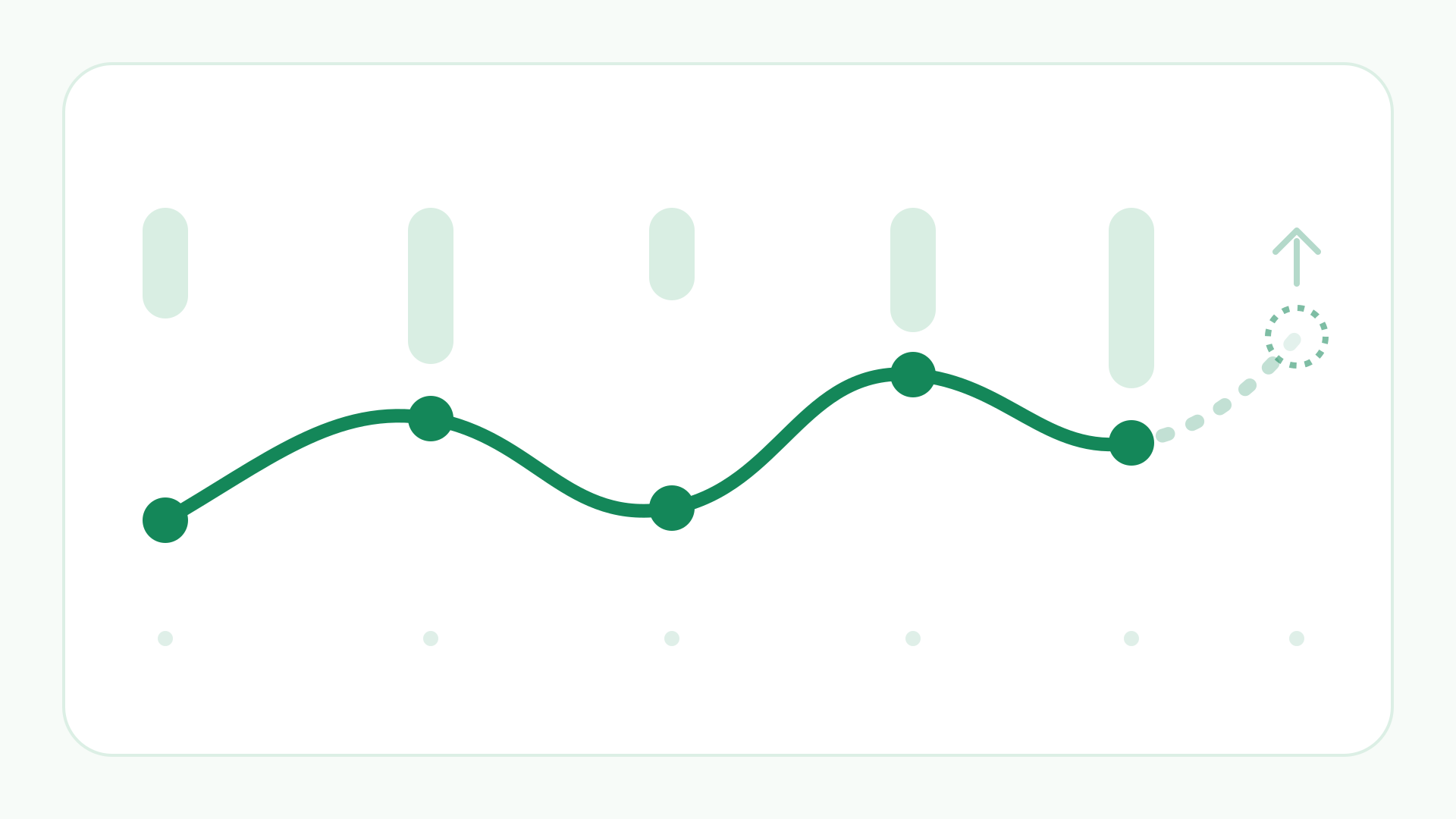
Two clients can both be absent for 30 days and mean completely different things.
One normally comes twice a week. The other visits when work allows, sometimes with six weeks between classes. Calling both of them inactive ignores the relationship you already have with each person.
A better follow-up starts with a smaller question: has this client's normal rhythm changed?
The Industry Signal Is Personal, Not Automatic
Mindbody's 2025 State of the Industry report surveyed more than 1,400 fitness and wellness decision-makers worldwide. Fifty-six percent named personalized outreach as a primary retention strategy.
The Health & Fitness Association's Q2 2026 FIT Tracker adds a useful distinction. Across nearly 11,000 U.S. fitness facilities, boutique visits per location rose 2.5% year over year, while average monthly visits per visitor across the industry fell 1.3%.
Those measures are not directly comparable, but together they show why a busy timetable is not enough to understand an individual client's routine. Overall traffic can rise while one regular quietly starts coming less often.
What the Research Cannot Tell You
Mindbody reports what operators said they use. It does not prove that any particular message causes retention. HFA reports aggregate U.S. traffic, not the circumstances of an individual studio member.
Neither source validates a universal rule such as 14, 30, or 60 days without a visit.
The method below is a Mojo editorial recommendation. It is a way to make the owner's judgment more specific, not an automated churn score.
Read the Change, Not the Clock
Start with the client's own recent pattern.
- A client who attends most Tuesdays has a recognizable weekly rhythm.
- A client who books two or three times each month has a looser rhythm.
- A new client or an occasional drop-in may not have enough history to establish one.
You do not need a complicated formula. During an attendance review, ask four questions:
- Was there a repeat pattern before now?
- Has an expected visit passed?
- Is there already a future booking?
- Do you know a reason for the change, such as travel, injury, a planned pause, or a different work schedule?
Mojo editorial rule
Send one relevant message when a recognizable attendance rhythm changes, there is no future booking, and you do not already know why. Wait when the pattern is unclear. Stop chasing when the client does not respond.
A Worked, Fictional Example
Alex has booked Tuesday Reformer in six of the past seven weeks. This Tuesday passes without a booking. There is no future class on the record, and Alex has not mentioned a holiday or a pause.
That change is enough context for one human note:
Hi Alex, I was looking at next Tuesday's Reformer class and did not see your name. If your schedule has changed, I can help you find another time that works.
The message works because it refers to something real. It does not pretend to be a personal check-in while hiding a generic 30-day automation.
Now change the example. Suppose Alex books irregularly and last attended three weeks ago, or already has a class booked next Friday. The same message would be premature. Wait.
These are hypothetical examples, not Mojo customer results.
When Not to Send the Message
Do not turn every gap into a retention task. Hold the message when:
- the client has too little history for a pattern
- a future booking is already visible
- the client has told you about an injury, trip, pause, or schedule change
- you sent a relevant note recently and received no reply
The last point matters. A personal message respects context and attention. Repeating it until someone books again makes it feel like a campaign.
Record What You Learn
The useful outcome is not only a rebooking.
A client may tell you that evenings no longer work, that they prefer a different instructor, that they are pausing for a month, or that they simply need space. Each answer helps you make a better next decision. No response tells you to stop.
Review the later attendance pattern without declaring that the message caused it. A reply, a future booking, and a return visit are different signals. Keep them separate.
What Mojo Shows Today
Mojo's client profile shows total visits, the first and last visit, and the next booking. The attendance record provides the outcome behind those visits.
Mojo does not currently identify a change in cadence or send this follow-up automatically. The owner still recognizes the relationship, decides whether a message is appropriate, and writes it in their own voice.
That boundary is useful. Software can make the pattern easier to see. The studio should keep the human judgment.
Keep the visit context close
Mojo keeps client visits, future bookings, and attendance records together so you can follow up with context instead of a generic inactive list.
Try Mojo Today